
Lost in translation in today’s world … there’s a language for that
As humanity grapples with global conflict, increasing inequity and discontent, and the rise of AI, the necessity to comprehend one another through language, has never been more vital.
In this brave new world where any written word or conversation can be translated instantly, what is being lost?
‘Tone, feeling and the human connection behind the words,’ says Mr Argyris Giantsis, Assistant Head of Language at Newington, addressing Senior students during Languages Week at the College.
‘We often think that language is simple. That it is just a matter of taking words from one language and replacing them with words from another.
‘But some things don’t translate. Not because we don’t have the right words, but because the meaning is more than word. A phrase in one language can carry an entire way of thinking, a way of seeing the world that cannot be fully explained in another.’
To illustrate, language students, Athan C, Conor R, Noah G, Oscar W, Justin Z and Hugo K, proficient in Greek, Spanish, Chinese, French, Latin and Italian respectively, each explained a word or phrase often lost in translation to English.
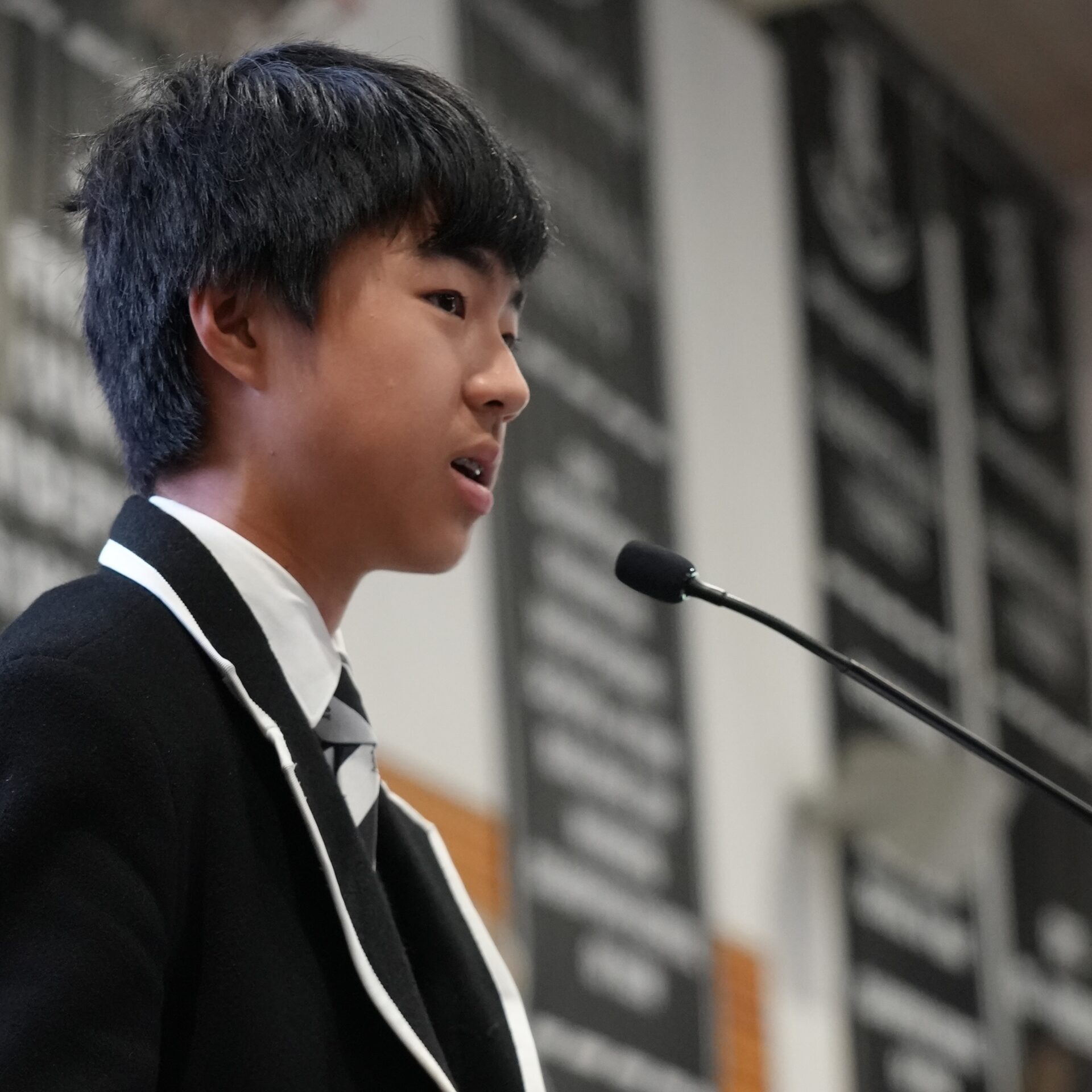
‘The term quinze jours literally translates to 15 days but it is commonly used to mean two weeks or 14 days,’ explains Year 11 French student, Justin Z (pictured below).
‘This means the term can sound confusing or illogical to learners when translated directly into English. This is an example of how language affects historical cultural habits rather than strict mathematical provision … what makes immediate sense to native speakers can seem strange to outsiders. It also highlights how translation is not always about exact words but the understanding of meaning and usage in any culture.’
At Newington, the study of language is foundational in helping develop kind, courageous and critical thinking citizens of the future. From Kindergarten to Year 12, students have the opportunity to engage in the study of languages including Latin, Greek, Spanish, French, Italian, and Chinese.
Language students also compete in several prestigious competitions including the global Education Prefect Languages Champions (EPLC) which recently saw students receive gold, silver and bronze medals for their efforts.
Newington also excelled in the Australian Computational Linguistics Olympiad (OzCLO) this year, with our Year 10 team earning Gold, placing them in the top eight per cent across Australia.
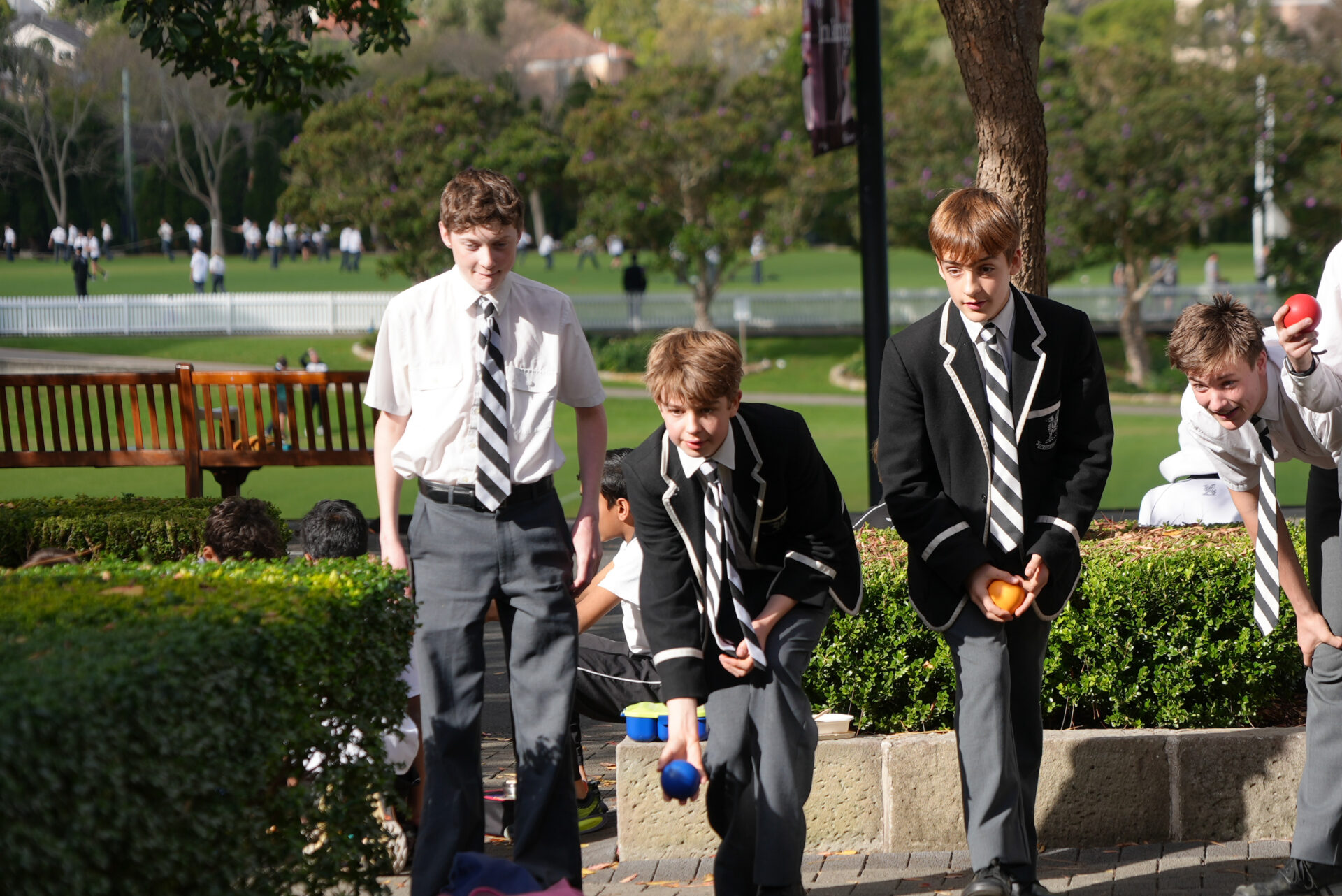
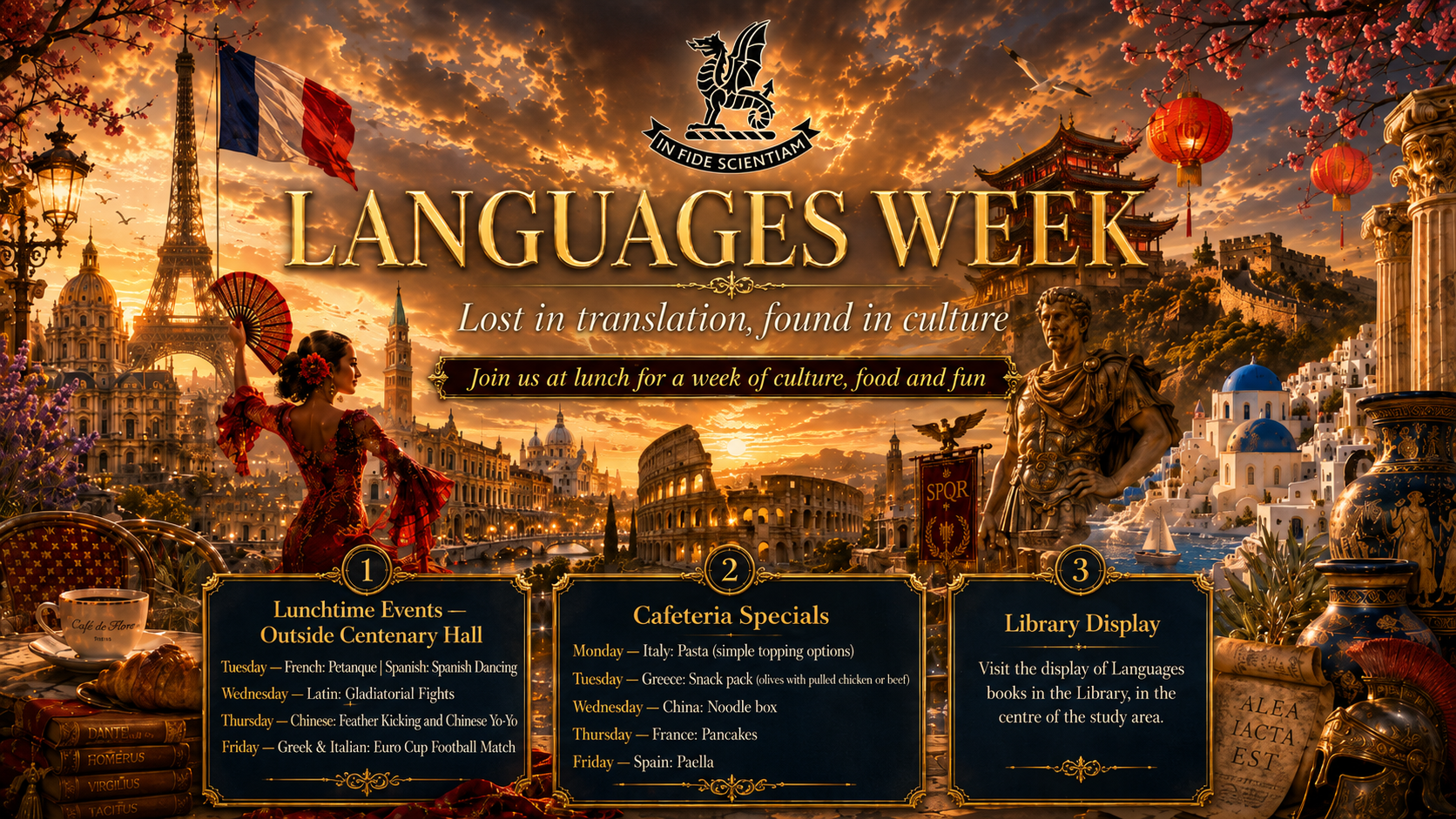
As students this week take part and enjoy a fun mix of cultural activities and canteen culinary comestibles, Mr Giantsis says the importance of language in battling miscommunication, misunderstanding and misappropriation has never been more essential.
‘Learning a language is not just about understanding words, it is about understanding people,’ says Mr Giantsis.
‘It requires you to step outside your comfort zone, to think differently, to see the world through someone else’s perspective. And in doing so … it changes you.’
Did you know?
- In 2025 Newington language students excelled in the Higher School Certificate and International Baccalaureate Diploma Programme.
- 100 per cent of students studying HSC Chinese Continuers, Latin Continuers and Latin Extension, and IB Latin HL received in a mark in the top two bands in 2025.
- According to the National Languages Teachers Association, learning an additional language has the potential to improve the literacy and numeracy outcomes of all students.
- Language students at Newington enjoy taking place in international exchange programs and study many languages across our Preps and Senior campus including Latin, Chinese, French, Spanish, Greek and Italian.