
Critical thinking gets a quick checkup
Newington’s latest Thinker in Residence, social media sensation Dr Idrees Mughal, better known as Dr Idz, has 3.5 million followers and a mission: to debunk as many widespread, harmful health myths as possible. During his time visiting our Senior campus as the 2026 Thinker in Residence, we seized the opportunity to pick his excellent brain.
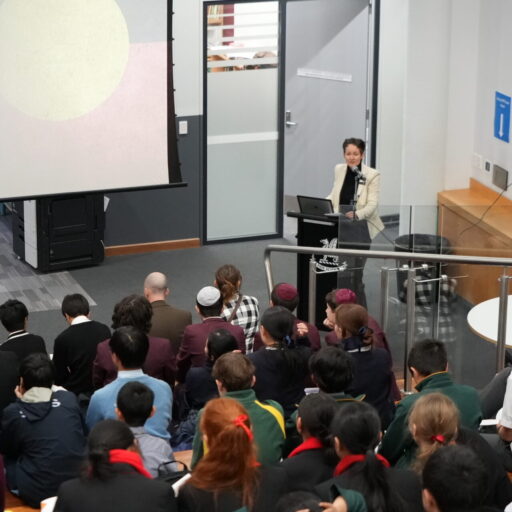
Dr Idz, a UK-based National Health Service (NHS) medical doctor with a master’s degree in Nutritional Research, certification in lifestyle medicine, and the author of bestselling book Saturated Facts, spent this week at the College delivering lectures, public talks and having critical thinking discussions with students and staff. He worked with each individual year group from Years 7 to 10 on sharpening their thinking skills and engaging with others in online spaces with integrity, curiosity, courage and humility – an ethos reflected in Newington’s Great Hearts, Inspired Minds and Strong Wings vision for every student.
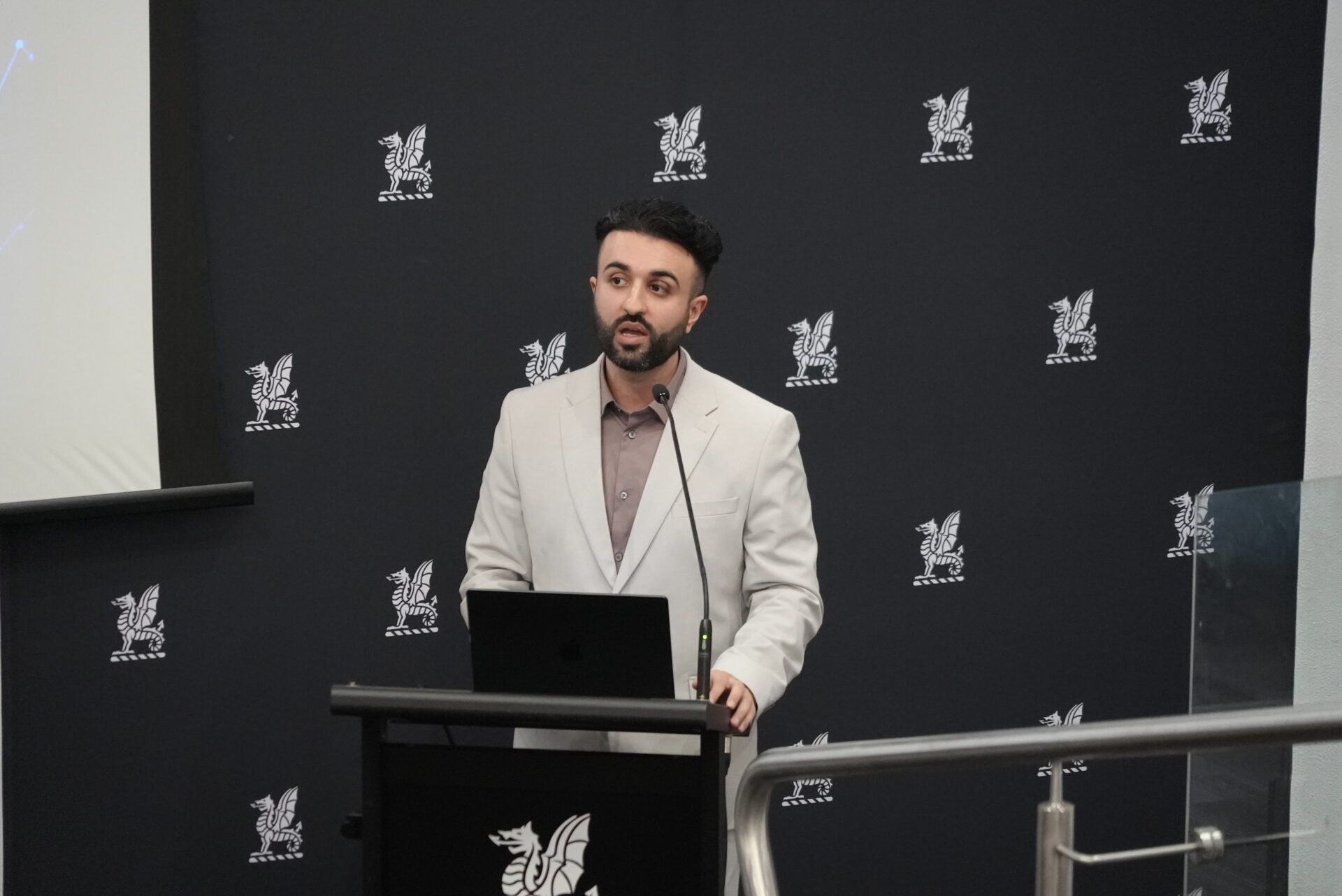
When it comes to safeguarding our health and nutrition, Dr Idz says that having the ability to think critically and identify misinformation is crucial.
Here, he shares some of his thoughts with us.
In a world full of health information at our fingertips, how can we distinguish between fact and fallacy?
My main priority during my visit to Newington was to help everyone develop a healthy sense of scepticism so they’re not simply believing something just because another person says it’s true. There are certain things we should be looking for to help us identify potentially misleading claims – whether that’s logical fallacies, appealing to emotion, scary words that sound scientific without actually being scientific, whether it’s visual cues or tactics. I can’t cover every single false claim in the world, nor can anyone else, so it’s crucial that we teach people to become better critical thinkers themselves. They can then apply that analytical approach to their own daily lives, whether they’re scrolling on social media, absorbing traditional media, or simply hearing what their parents or friends might say.
What three trending health misconceptions would you say are linked to a fallacy or flaw in thinking?
One of the most prevalent and potentially harmful myths around at the moment is the idea that a predominantly meat-based diet is healthier in the long term – and it is absolutely not. There’s a big push to swap to an animal-based diet among pro-carnivore influencers, but this goes completely against scientific consensus in terms of what is actually healthy for us.
The second misconception is the idea that vegetable oils made from seeds and plants are inflammatory or harmful. There’s also a big push towards demonising these and swapping to animal products like tallow or butter. This is very harmful because we have plenty of substitution data directly showing that replacing saturated fats from animal foods with unsaturated fats from vegetable oils and seed oils improves various health markers and outcomes.
And the third one I would say is the idea that anything that spikes your blood glucose is inherently harmful. That’s a very superficial understanding of sugars, carbohydrates and glucose. All three of these misconceptions (regarding meat, seed oils and sugars) stem from the same rhetoric and revolve around the idea that ‘natural’ is better – you’ll find people who share one view will often share the other two as well.
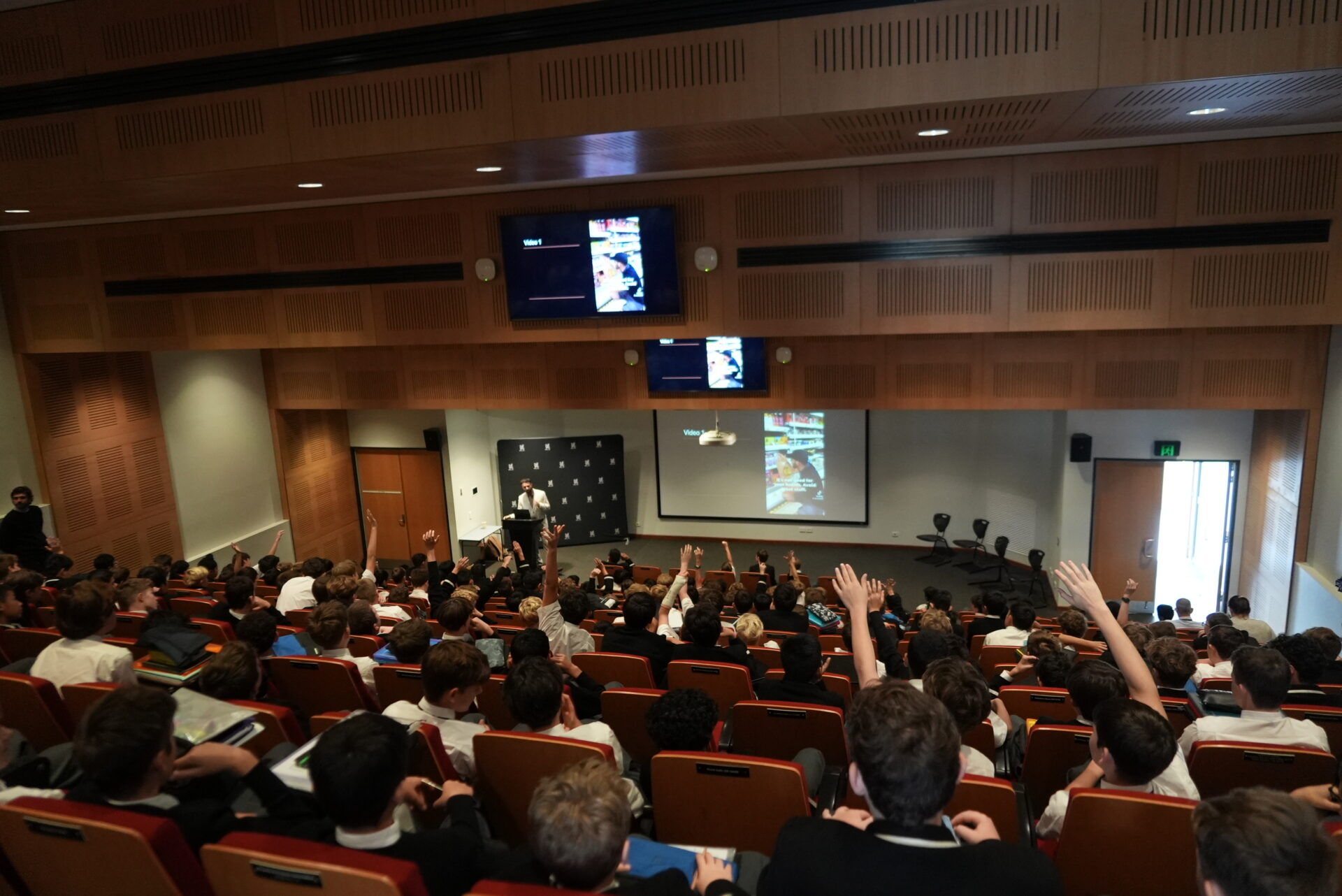
Dr Idz joined Newington College as our Thinker in Residence for 2026, an annual event that welcomes eminent thinkers from around the world. The goals for the week were to support students and staff to apply critical thinking skills through nutritional ‘mythbusting’, as well as equipping them to ethically and effectively interact with others and speak up against misinformation. Dr Idz’s public talk was entitled ‘Nutrition Myths Exposed: Time for School’. To hear him debunk current health myths and misconceptions, visit his TikTok account. To find out more about critical thinking at Newington, click here.